
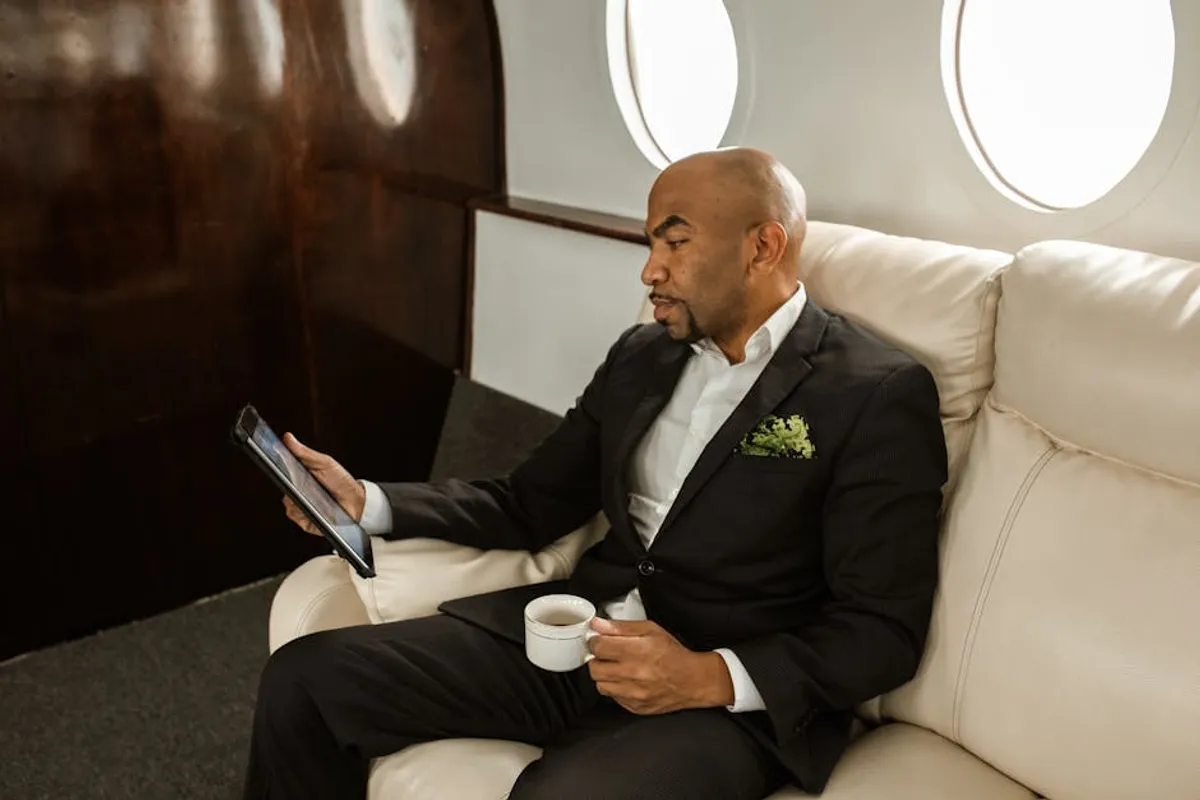
Luxury travel extends beyond opulent price tags; it signifies a curated experience defined by exclusivity, personalized service, and unparalleled access. For discerning travelers and the businesses serving them, understanding this segment requires moving past superficial indicators to grasp the underlying motivations: time optimization, privacy, bespoke itineraries, and unique immersion. This guide delineates the core components, strategic planning considerations, and emerging trends within the luxury travel market, providing a framework for identifying and delivering value in this high-demand niche.
Defining Modern Luxury Travel: Beyond Price Tag
Contemporary luxury travel is less about overt extravagance and more about the seamless integration of comfort, convenience, and authenticity. It prioritizes access to experiences unavailable to the general public, combined with a level of personalized service that anticipates needs before they are articulated. This differentiation is crucial for marketers and service providers aiming to connect with this demographic.
Personalized Service and Exclusivity
The hallmark of true luxury lies in hyper-personalization. This includes dedicated concierges, private guides, and bespoke arrangements that cater to individual preferences, from dietary restrictions to specific interests. Exclusivity manifests through private villa rentals, yacht charters, or after-hours access to cultural sites, offering privacy and an uncrowded experience.
Unique Access and Immersive Experiences
Luxury travelers seek opportunities for genuine engagement, such as private culinary classes with Michelin-starred chefs, guided expeditions to remote natural wonders, or behind-the-scenes tours of historic landmarks. These are not merely activities but carefully constructed narratives designed to create lasting memories and foster a deeper understanding of a destination.
High-End Accommodations and Transportation
While five-star hotels remain a staple, the luxury segment increasingly gravitates towards private residences, boutique resorts, and specialized accommodations like eco-lodges or historic castles. Transportation often involves private jets, helicopter transfers, or luxury chauffeured vehicles, prioritizing efficiency, comfort, and discretion over conventional travel methods.
Strategic Planning for Discerning Travelers
Effective luxury travel planning is a meticulous process, often involving specialist advisors who understand the nuances of high-end service delivery and complex logistics. The emphasis is on eliminating friction and maximizing the enjoyment of every moment.
Identifying Traveler Preferences
A deep understanding of client preferences is foundational. This extends beyond destination choices to encompass preferred travel pace, desired level of cultural immersion, activity interests (e.g., adventure, wellness, culinary), and specific comfort thresholds. Data-driven insights into past travel patterns and expressed desires inform the bespoke itinerary creation process.
Leveraging Specialist Advisors
Luxury travel advisors function as curators and problem-solvers. They possess extensive networks, access to exclusive amenities, and the expertise to navigate complex international regulations or unexpected disruptions. Their value proposition lies in saving the client time, ensuring quality, and providing peace of mind.
Bespoke Itinerary Creation
Every luxury itinerary is custom-built. It balances structured activities with ample free time, incorporates unique local encounters, and integrates seamlessly with transportation and accommodation. The goal is a cohesive, stress-free journey that reflects the traveler's individual vision.
Pro Tip: For any business targeting the luxury travel market, prioritize establishing robust, discreet communication channels. Discerning clients value efficiency and privacy; therefore, secure messaging platforms and dedicated, single points of contact are essential for building trust and managing complex itineraries without friction.
Curating Exclusive Destinations and Activities
The choice of destination and activities significantly impacts the luxury travel experience. Trends indicate a move towards less-traveled locales and highly specialized activities, often with a focus on sustainability or cultural preservation.
- Untapped Destinations: Remote islands, emerging cultural hubs, or wilderness areas with limited access offer novelty and exclusivity.
- Private Charters and Transfers: Yachts, private jets, and helicopters enable direct access to secluded spots and maximize travel time efficiency.
- Wellness Retreats: Personalized health programs, exclusive spa facilities, and holistic wellness experiences are increasingly integrated into luxury itineraries.
- Cultural Immersion: Private art tours, exclusive access to historical sites, and direct interactions with local artisans or scholars provide enriching experiences.
Maximizing Value in Luxury Travel Investments
Value in luxury travel is not synonymous with low cost; it refers to the return on investment in terms of experience, time saved, and peace of mind. Understanding this perception of value is key for service providers.
Understanding All-Inclusive vs. A La Carte
While some luxury travelers prefer the predictability of all-inclusive packages (especially for cruises or high-end resorts), many opt for a la carte arrangements that allow for greater flexibility and customization. The choice often depends on the type of trip and the traveler's desire for control over specific elements.
Insurance and Security Protocols
Comprehensive travel insurance, including medical evacuation and trip interruption coverage, is a non-negotiable component. For high-net-worth individuals, security assessments, private security details, and discreet travel arrangements are often integrated into the planning to mitigate risks.
Health and Wellness Integration
Beyond traditional spa treatments, luxury travel increasingly incorporates personalized wellness programs, access to top medical professionals, and itineraries designed to support mental and physical well-being. This reflects a broader trend towards holistic health as a core component of a fulfilling life.
Navigating the Luxury Travel Market
The luxury travel market is dynamic, influenced by global events, technological advancements, and evolving consumer preferences. Staying abreast of these shifts is vital for sustained relevance.
Future Trends in Luxury Travel
Key trends include a rise in 'transformative travel' focusing on personal growth, increased demand for sustainable and ethical tourism, and the integration of advanced technology for seamless planning and in-destination experiences. Multi-generational trips and 'skip-gen' travel (grandparents with grandchildren) also represent growing segments requiring specialized planning.
The Role of Technology and Digital Presence
While human connection remains paramount, technology facilitates the luxury travel experience. Sophisticated booking platforms, personalized digital itineraries, and virtual reality previews of destinations enhance planning. A strong, visually rich digital presence is crucial for showcasing exclusive offerings and attracting discerning clients.
Elevating Future Luxury Journeys
Successful engagement with the luxury travel market hinges on a deep understanding of its unique demands: an unwavering commitment to personalized service, meticulous attention to detail, and the ability to curate truly unique and transformative experiences. Businesses that consistently deliver on these fronts will cultivate lasting relationships with a clientele that values expertise, discretion, and unparalleled quality. The focus must always remain on delivering not just a trip, but an impeccably crafted journey that exceeds expectations at every touchpoint.
Frequently Asked Questions About Luxury Travel
What truly defines luxury travel today?
Modern luxury travel is defined by personalized service, exclusive access, unique experiences, and meticulous attention to detail, rather than just high cost. It prioritizes convenience, privacy, and authenticity.
Is luxury travel always expensive?
While luxury travel typically involves a higher investment, its value is derived from the quality of service, unique access, and time saved, rather than simply the monetary outlay. Value is perceived in the unparalleled experience and peace of mind.
What role do travel advisors play in luxury travel?
Luxury travel advisors are crucial for curating bespoke itineraries, leveraging exclusive networks for unique access, handling complex logistics, and providing personalized support, ensuring a seamless and stress-free journey.
How can businesses cater to the luxury travel market?
Businesses can cater to this market by focusing on hyper-personalization, offering exclusive access to unique experiences, ensuring impeccable service delivery, and maintaining a strong, visually compelling digital presence that communicates their value proposition clearly.