
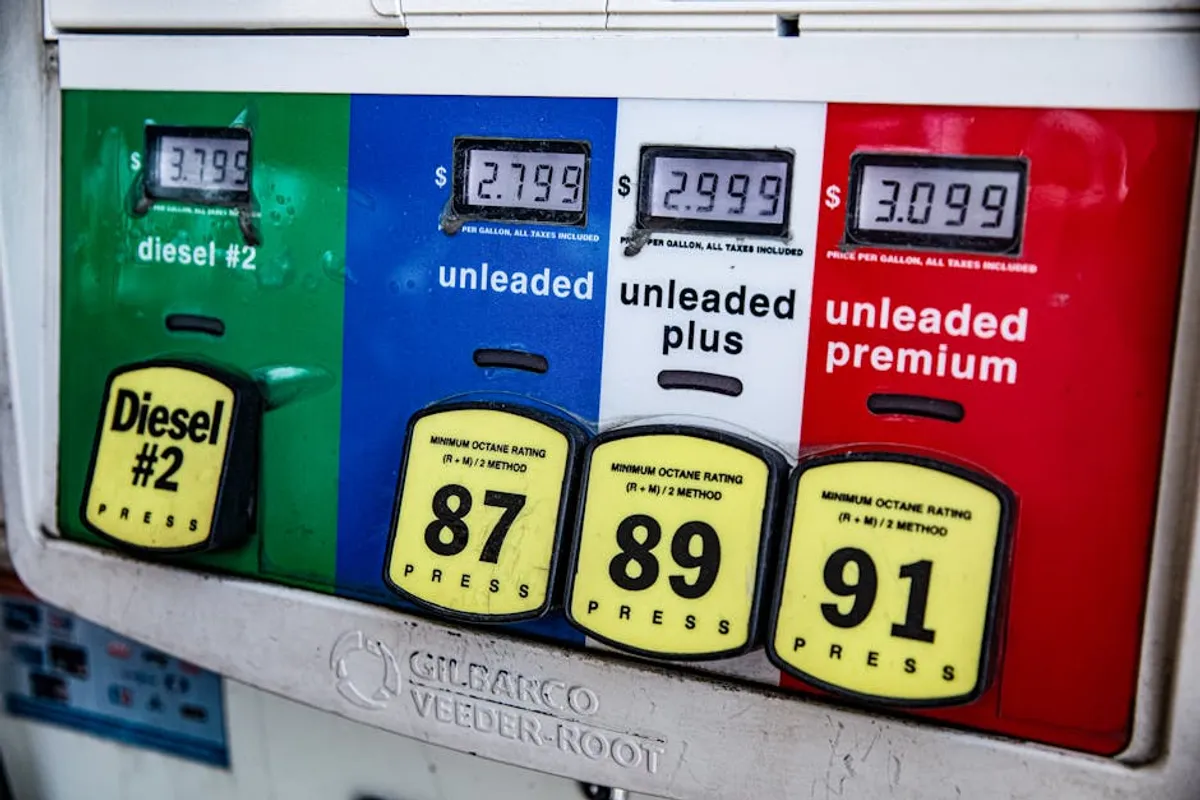
Navigating travel within the UK during periods of fuel scarcity requires proactive planning and an understanding of logistical challenges. This guide offers practical strategies for travelers, focusing on pre-journey preparation, efficient fuel use, and reliable methods for locating petrol and diesel. The goal is to minimize disruption and ensure continuity for essential and leisure travel alike, providing concrete steps to mitigate the impact of supply chain inconsistencies.
Understanding the UK Fuel Supply Landscape
Fuel shortages in the UK typically stem from a combination of factors, including disruptions in the supply chain, driver shortages, or unforeseen events impacting refinery output and distribution networks. These issues can lead to localized stockouts, reduced operating hours at filling stations, and increased demand as consumers attempt to secure fuel. For travelers, this translates into potential delays, longer queues, and the necessity of adjusting travel plans to account for fuel availability.
Pre-Travel Planning and Preparation
Effective planning is the most critical component of managing travel during a fuel shortage. Before embarking on any journey, particularly those extending beyond local areas, a thorough assessment of fuel requirements and availability is essential.
Assess Your Journey's Fuel Needs
Calculate the estimated fuel consumption for your entire trip, including potential detours or unexpected delays. Factor in the vehicle's average miles per gallon (MPG) and the total distance. It is prudent to overestimate rather than underestimate, building in a buffer for unforeseen circumstances. Consider the capacity of your fuel tank and how many full tanks you anticipate needing for the round trip.
Check Fuel Availability Before Departure
Do not rely solely on past experience. Fuel availability can change rapidly. Utilize real-time resources to check the status of filling stations along your planned route and at your destination. This proactive step helps identify potential 'fuel deserts' or areas with consistently low stock, allowing for route adjustments or pre-emptive fueling.
Consider Fuel-Efficient Routes
While often overlooked, route choice significantly impacts fuel consumption. Opt for routes that minimize stop-and-go traffic, steep inclines, and excessive idling. Motorways, while longer, can sometimes be more fuel-efficient due to sustained speeds, compared to urban routes with frequent braking and acceleration. GPS systems often offer eco-friendly route options that prioritize efficiency.
On-Road Fuel Conservation Strategies
Once on the road, adopting fuel-efficient driving habits can extend your range and reduce the frequency of needing to refuel.
- Maintain Steady Speeds: Rapid acceleration and harsh braking consume more fuel. Aim for smooth, consistent driving.
- Adhere to Speed Limits: Driving at higher speeds significantly increases aerodynamic drag, leading to higher fuel consumption.
- Minimize Idling: If stopped for more than 10 seconds, it's generally more fuel-efficient to turn off the engine.
- Check Tire Pressure: Under-inflated tires increase rolling resistance, forcing the engine to work harder and consume more fuel.
- Reduce Excess Weight: Remove unnecessary items from the vehicle, as extra weight reduces fuel economy.
- Limit Air Conditioning Use: A/C systems place a load on the engine, increasing fuel consumption. Use ventilation or open windows when appropriate.
Pro Tip: Avoid panic buying or topping up your tank unnecessarily. This behavior exacerbates shortages by creating artificial demand and can lead to stations running dry faster for those who genuinely need fuel for essential travel. Fuel only when your tank is genuinely low and you have a clear need for the journey ahead.
Locating Fuel Stations During Shortages
Finding fuel when supplies are limited requires a strategic approach beyond simply looking for station signs.
Utilize Real-Time Fuel Apps
Several smartphone applications provide crowd-sourced or direct-feed information on fuel prices and availability. These apps often allow users to report station status, including whether a station has fuel, is out of stock, or has specific fuel types available. Checking these resources frequently can save significant time and effort.
Leverage Local Information Sources
Local news outlets, community social media groups, and even local radio stations often provide updates on fuel availability in specific areas. These sources can offer hyper-local insights that broader apps might miss, especially during rapidly evolving shortage situations.
Understand Station Operating Hours
During shortages, some stations may adjust their operating hours, opening for limited periods or closing earlier than usual. Confirming opening times before driving to a station can prevent wasted journeys. Larger motorway service stations often have more consistent supply and longer operating hours but can also experience higher demand.
Alternative Travel Considerations
For some journeys, or parts of journeys, considering alternatives to private vehicle use can be a viable strategy.
Best for: Short-distance travel, urban exploration, or connecting between major transport hubs.
- Public Transport: Trains, buses, and coaches operate on scheduled routes and are unaffected by individual fuel availability concerns. They can be a reliable option for inter-city travel.
- Cycling or Walking: For very short distances, or as part of a multi-modal journey, cycling or walking eliminates fuel dependency entirely.
- Electric Vehicles: If available, an EV bypasses petrol and diesel shortages entirely, relying on the electricity grid. Ensure charging infrastructure is available for your route.
Navigating Regional Variations
Fuel shortages are rarely uniform across the entire UK. Certain regions, especially more remote areas or those with fewer distribution depots, may experience more acute or prolonged shortages. Conversely, major urban centers or areas with high traffic volumes might see stations restocked more frequently due to higher turnover. Researching the specific conditions of your origin, destination, and transit regions is crucial.
Essential Travel Kit for Shortages
Beyond standard emergency items, a few additions can be particularly useful during a fuel shortage:
- Portable Phone Charger: Essential for using fuel-finding apps and communicating.
- Water and Snacks: Queues at stations can be long; having provisions is practical.
- Physical Map: As a backup if digital navigation fails or battery dies.
- Emergency Roadside Kit: Basic tools, first-aid, and reflective triangles.
Final Preparations and Safe Travel
Before any journey, conduct a basic vehicle check: oil levels, coolant, and tire pressure. Ensure all lights are functional. Inform someone of your travel plans and estimated arrival time. During a fuel shortage, patience is key. Expect potential delays and maintain a calm demeanor, especially at busy filling stations. Driving defensively and avoiding aggressive maneuvers not only conserves fuel but also enhances safety for all road users.
Frequently Asked Questions
What typically causes fuel shortages in the UK?
UK fuel shortages are often attributed to a combination of factors, including HGV driver shortages impacting distribution, supply chain disruptions at refineries or ports, and surges in consumer demand driven by media reports or panic buying. These issues collectively strain the existing logistics network.
Is it legal and safe to carry spare fuel in my vehicle?
It is legal to carry a small amount of spare fuel in a suitable container, typically up to 10 liters, for personal use. However, it must be stored in an approved, sealed container (e.g., a jerry can) and secured safely in the vehicle to prevent spills and fire hazards. Carrying larger quantities or storing fuel improperly is both illegal and extremely dangerous.
How can I find real-time information on local fuel availability?
Real-time fuel availability can be checked using dedicated smartphone apps like PetrolPrices.com, Waze, or Google Maps, which often integrate user-reported data or direct feeds from fuel stations. Local news websites, social media groups, and direct calls to specific stations can also provide up-to-date information.
Should I postpone or alter my travel plans during a significant fuel shortage?
This depends on the severity and localized nature of the shortage, as well as the urgency of your travel. For non-essential journeys, postponing or opting for public transport can reduce stress and conserve fuel for those with critical needs. If travel is essential, thorough pre-planning, fuel conservation, and alternative route considerations are paramount to ensure a smooth journey.