Jibhi, nestled in the Tirthan Valley of Himachal Pradesh, offers a distinct retreat for travelers seeking tranquility away from mainstream tourist circuits. This guide provides an essential framework for planning a visit, detailing transportation, key attractions, local experiences, and practical advice to ensure a well-informed journey. It targets those prioritizing nature immersion, local culture, and a quieter pace over commercialized destinations, outlining specific considerations for a rewarding trip.
Understanding Jibhi: A Valley Overview
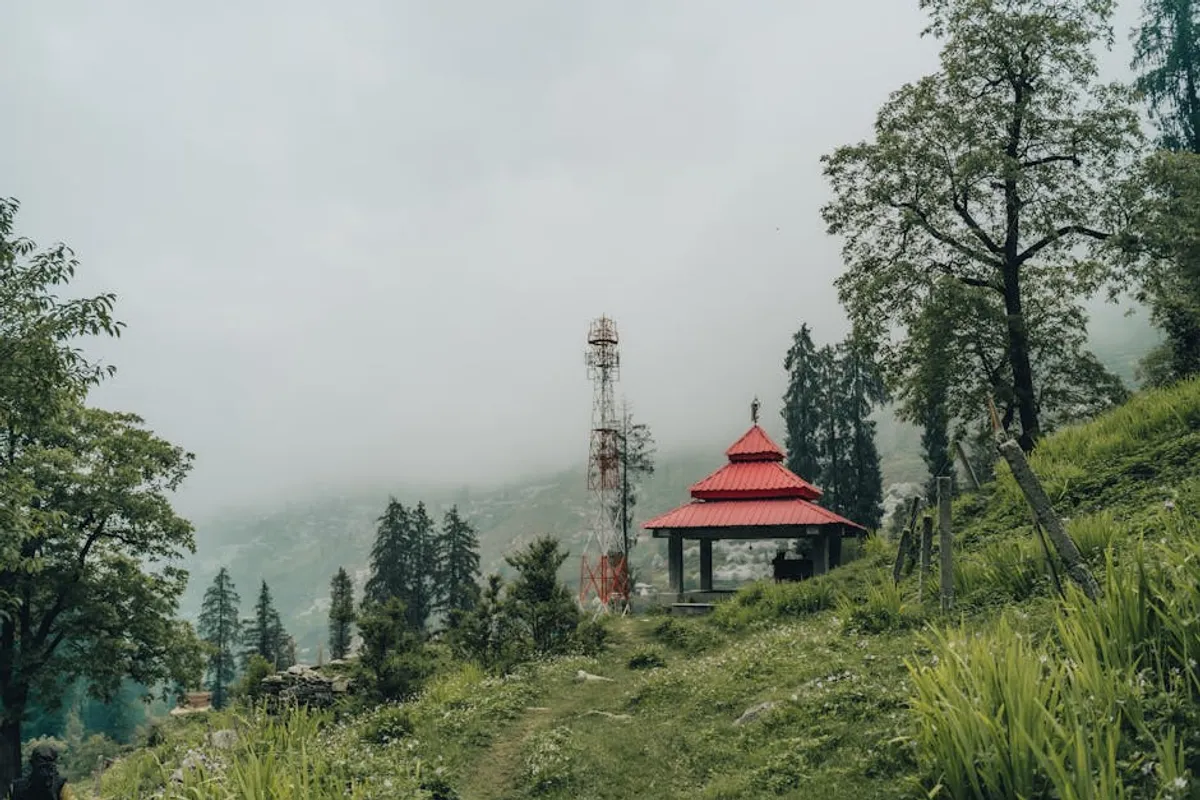
Jibhi is a small, picturesque hamlet situated at an altitude of approximately 5,250 feet (1,600 meters) in the Banjar Valley, adjacent to the larger Tirthan Valley. Characterized by dense pine and deodar forests, traditional wooden houses, and the gurgling Jibhi stream, it serves as a base for exploring the Great Himalayan National Park (GHNP) buffer zone. The region maintains a serene atmosphere, making it particularly appealing to hikers, nature photographers, and those looking to disconnect.
Reaching Jibhi: Transportation Details
Accessing Jibhi requires a combination of road travel, as there are no direct rail or air links to the immediate vicinity. Understanding these routes is crucial for itinerary planning.
- By Air: The nearest airport is Kullu-Manali Airport (Bhuntar Airport - KUU), approximately 60 kilometers away. From Bhuntar, taxis are available, or one can take a local bus towards Aut or Banjar, then transfer to Jibhi. The drive from Bhuntar typically takes 2-3 hours, depending on road conditions.
- By Train: The closest major railway station is Ambala Cantt (UMB), about 250 kilometers from Jibhi, or Chandigarh (CDG), approximately 270 kilometers away. Both are well-connected to major Indian cities. From these stations, overnight buses or private taxis are the primary options for reaching Aut, from where local transport to Jibhi is available.
- By Road:
- From Delhi: Overnight Volvo buses frequently run from Delhi to Manali. Disembark at Aut Tunnel. From Aut, local buses or shared taxis ply towards Banjar and then Jibhi. The journey from Aut to Jibhi is about 1.5-2 hours. Alternatively, private taxis can be hired directly from Delhi, a drive of 10-12 hours.
- From Chandigarh: Direct buses to Aut or Banjar are available. The road journey from Chandigarh to Jibhi typically takes 8-9 hours.
Pro Tip: For those traveling by bus, specify "Aut Tunnel" as your drop-off point. Many long-distance buses will not go directly to Banjar or Jibhi. From Aut, local transport is readily accessible, but be prepared for a change of vehicle.
Optimal Travel Seasons for Jibhi
The ideal time to visit Jibhi depends on desired activities and weather preferences:
- Spring (March to May): Characterized by pleasant temperatures (10°C to 25°C) and blooming rhododendrons. This period is excellent for trekking, nature walks, and outdoor exploration before the monsoon.
- Summer (June to Early July): Temperatures range from 15°C to 30°C. While generally warm, it's still suitable for exploring, though the monsoon season typically begins in mid-July.
- Monsoon (Mid-July to September): Jibhi experiences heavy rainfall, leading to lush green landscapes but also potential for landslides and road blockages. Trekking can be challenging, but the valley is exceptionally vibrant.
- Autumn (October to November): Post-monsoon, the weather is crisp and clear (5°C to 20°C). This is considered one of the best times for stunning views, photography, and comfortable trekking.
- Winter (December to February): Temperatures drop significantly, often below freezing, with heavy snowfall. Best for: Snow lovers and those seeking extreme quiet. Many roads, especially to higher passes like Jalori, may be inaccessible.
Exploring Jibhi's Landscape: Key Sights
Jibhi and its surroundings offer several points of interest that highlight the region's natural beauty and cultural heritage.
Jibhi Waterfall
A short, accessible trek from the main road leads to the Jibhi Waterfall. The path is well-maintained, winding through dense forests. The waterfall itself is modest but provides a tranquil setting, ideal for a short stop and photography. The surrounding area often features small cafes.
Serolsar Lake
Located near Jalori Pass, Serolsar Lake is a high-altitude lake surrounded by thick forests. Reaching it requires a 5-6 kilometer trek from Jalori Pass, taking approximately 2-3 hours one way. The lake is considered sacred, and local legends often associate it with a goddess. The trek offers panoramic views of the Himalayas.
Chehni Kothi
An impressive 1,500-year-old tower-temple, Chehni Kothi is a testament to traditional Himachali architecture. Built with interlocking deodar wood and stone without cement, it stands as one of the tallest structures of its kind in the region. Access involves a short trek from the village of Chehni, which is a short drive or longer walk from Jibhi. The tower provides historical context and commanding views of the valley.
Jalori Pass
Situated at an altitude of 10,800 feet (3,300 meters), Jalori Pass is a significant mountain pass connecting the Kullu and Shimla districts. It offers breathtaking views of the Dhauladhar and Pir Panjal ranges. The pass is a starting point for treks to Serolsar Lake and Raghupur Fort. During winter, the pass is often closed due to heavy snowfall.
Activities and Experiences in Jibhi
Trekking and Hiking
Jibhi is a hub for various treks, ranging from easy forest walks to challenging multi-day expeditions. Popular routes include the trek to Serolsar Lake, the path to Raghupur Fort (from Jalori Pass), and numerous trails through the surrounding pine forests. Local guides are available for longer or less-marked routes.
Angling and Fishing
The Tirthan River, a short distance from Jibhi, is renowned for trout fishing. Permits are required and can often be arranged through local guesthouses or the Forest Department office in Banjar. Best for: Anglers seeking brown trout in a pristine environment.
Village Walks and Cultural Immersion
Exploring the traditional villages around Jibhi offers insight into local Himachali life. Visitors can observe traditional wooden architecture, interact with locals, and understand their agricultural practices. This provides a quiet, authentic cultural experience, distinct from more commercialized hill stations.
Practical Accommodation Advice
Jibhi offers a range of accommodation, from budget-friendly guesthouses to comfortable homestays and boutique cottages. Options are generally smaller and more intimate than large hotels. Booking in advance, especially during peak seasons (April-June, October-November), is advisable due to limited availability. Many accommodations emphasize local aesthetics and provide home-cooked meals.
Local Culinary Experiences
The cuisine in Jibhi is predominantly Himachali, characterized by simple, wholesome, and flavorful dishes. Expect to find staples like rajma chawal (kidney beans with rice), siddu (steamed bread with filling), and various lentil preparations. Many homestays offer freshly prepared meals using local ingredients. Small cafes also serve common Indian and some continental options.
Essential Travel Tips for Jibhi
- Connectivity: Mobile network coverage can be sporadic, especially for certain providers. BSNL and Jio often have better reception in the valley. Wi-Fi is available at most guesthouses but may not be consistently fast.
- Cash and ATMs: Jibhi has limited ATM facilities. It is advisable to carry sufficient cash, especially for smaller purchases, local transport, and places that do not accept digital payments. The nearest reliable ATMs are in Banjar.
- Packing: Layers are essential, even in summer, due to fluctuating mountain temperatures. Include comfortable walking shoes or hiking boots, rain gear (especially during monsoon or spring), and warm clothing for evenings.
- Respecting Local Culture: Jibhi is a region with strong local traditions. Dress modestly, especially when visiting temples or villages. Always ask for permission before photographing people.
- Environmental Responsibility: Practice responsible tourism by carrying out all waste, avoiding single-use plastics, and respecting the pristine natural environment.
Planning Your Jibhi Journey
A visit to Jibhi offers a distinct mountain experience, prioritizing natural beauty and local culture over extensive commercial amenities. Successful planning hinges on understanding the specific travel logistics, seasonal considerations, and the types of activities available. By preparing for connectivity limitations, managing cash, and embracing the local pace, travelers can fully appreciate the serene environment and unique charm of this Himachali hamlet. This guide provides the foundational details for crafting an itinerary that aligns with a desire for a peaceful, nature-focused retreat.
Frequently Asked Questions
Is Jibhi suitable for families with young children?
Jibhi can be suitable for families, especially those who enjoy nature and light outdoor activities. However, some treks might be challenging for very young children. Accommodation options are generally child-friendly, but amenities like dedicated play areas are rare.
What is the typical cost of a day in Jibhi?
Daily expenses in Jibhi can vary significantly. Budget travelers might spend INR 1,500-2,500 per day including basic accommodation, local meals, and shared transport. Mid-range travelers could expect INR 3,000-5,000 per day for comfortable homestays, private taxis, and guided activities.
Are there medical facilities in Jibhi?
Jibhi has basic medical shops and a small government dispensary. For more comprehensive medical attention, it is necessary to travel to Banjar or Kullu, which have larger hospitals and clinics. It is advisable to carry any essential personal medications.
Is it safe to travel solo to Jibhi?
Jibhi is generally considered safe for solo travelers, including solo women. The local community is welcoming, and crime rates are low. However, standard travel precautions should always be observed, especially during treks or late-night outings.