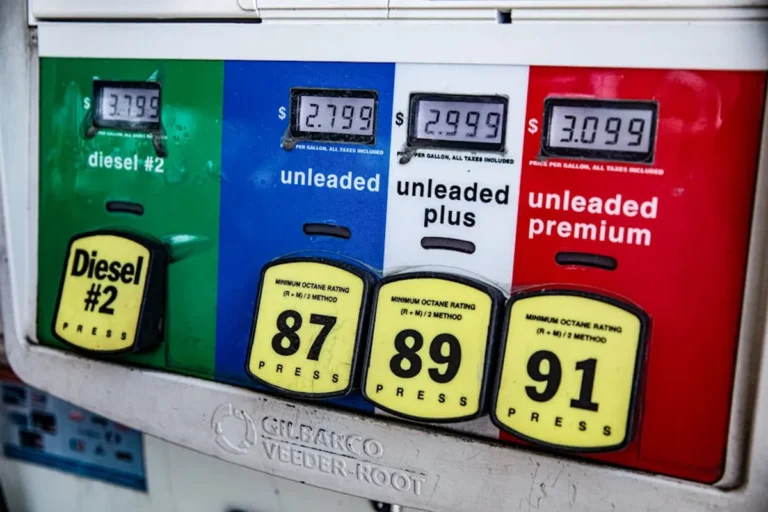

Choosing a small hotel or guesthouse offers a distinct travel experience, often characterized by personalized service, unique local character, and a more intimate atmosphere compared to larger chain hotels. However, this individuality also means that selection requires a more nuanced approach. Unlike standardized brands, small properties vary significantly in their offerings, operational style, and overall guest experience. A thoughtful selection process ensures the property aligns with your specific travel needs and expectations, preventing mismatches that can detract from your trip. When you're planning a road trip, choosing a small hotel can offer unique charm and local flavor.
Key Considerations Before Booking
Location and Accessibility
The immediate surroundings of a small hotel or guesthouse often dictate a significant portion of the guest experience. Evaluate the property's precise location beyond just the city or neighborhood. Consider its proximity to public transportation hubs, major attractions, dining options, and essential services like pharmacies or grocery stores. Assess the neighborhood's character: is it bustling and central, or quiet and residential? Proximity to nightlife might be desirable for some, while others prioritize a peaceful environment. Researching street views and local maps provides tangible context beyond a general address. Carefully evaluating a property's location is key to ensuring it fits your travel plans and desired experiences.
- For urban exploration: Prioritize properties within walking distance of key attractions or with direct metro/bus access.
- For tranquility: Seek out guesthouses slightly removed from main thoroughfares, often found in residential areas or on quieter side streets.
- For specific events: Confirm ease of access to the event venue, factoring in travel time and transportation options.
Budget and Value Proposition
While small properties can offer competitive pricing, the concept of "value" extends beyond the nightly rate. Scrutinize what is included in the stated price. Many guesthouses include breakfast, parking, or local taxes, while others list these as separate charges. Compare the total cost, factoring in all potential add-ons. A slightly higher nightly rate might offer superior amenities, a more desirable location, or a level of personalized service that justifies the difference. Consider the property's cancellation policy and payment terms, as these can vary widely and impact financial flexibility.
Best for: Travelers who prioritize a specific experience or set of amenities over the lowest possible price point, understanding that value encompasses more than just cost.
Guest Experience and Atmosphere
The defining characteristic of a small hotel or guesthouse is its unique atmosphere. This can range from rustic charm to minimalist modern, or from a lively social hub to a quiet retreat. Look for clues in the property's description, photos, and guest reviews. Do the images convey a cozy, lived-in feel or a sleek, contemporary design? Do reviews frequently mention the warmth of the hosts, the communal breakfast, or the peaceful solitude? Understanding the intended ambiance helps align your expectations with the reality of the property.
Consider:
- Host interaction: Some properties offer significant host engagement, providing local tips and personal touches. Others maintain a more hands-off approach.
- Common areas: Are there shared lounges, gardens, or dining spaces that encourage interaction, or is privacy emphasized?
- Noise levels: Smaller properties, especially older ones, may have less soundproofing. Reviews often highlight issues with street noise or internal sounds.
Amenities and Services
Detail the specific amenities crucial to your comfort and convenience. While larger hotels offer standardized services, small properties often provide a curated selection. Confirm the availability of essentials like private bathrooms, air conditioning, reliable Wi-Fi, and specific bed configurations. Beyond the basics, evaluate unique offerings: a garden, a small library, laundry service, or concierge assistance for local bookings. The presence of a 24-hour reception, luggage storage, or early check-in/late check-out options can also be critical depending on your travel schedule.
Practical check: Verify if amenities listed are available in all room types or only specific ones. For instance, not all rooms may have a balcony or a specific view.
Evaluating Online Information
Reading Reviews Critically
Online reviews are invaluable, but require critical assessment. Focus on patterns rather than isolated incidents. Multiple mentions of cleanliness issues, noise, or unresponsive staff indicate systemic problems. Conversely, consistent praise for specific aspects—like breakfast quality, host hospitality, or comfortable beds—suggests reliable strengths. Pay close attention to recent reviews to ensure information is current. Also, observe how property management responds to feedback, both positive and negative; this indicates their commitment to guest satisfaction.
Pro Tip: Filter reviews by specific keywords like "cleanliness," "noise," "breakfast," or "bed comfort" to quickly identify recurring themes relevant to your priorities.
Website and Photography Analysis
A property's official website and photo gallery offer primary insights. Look for high-resolution, current images that accurately depict rooms, common areas, and exterior. Inconsistent or low-quality photography, or an outdated website design, might suggest a lack of attention to detail or investment in the guest experience. Cross-reference official photos with guest-submitted photos on review platforms to gauge consistency and detect potential discrepancies. Clear descriptions of room types, amenities, and policies on the website are indicators of transparency.
Pro Tip: Pay close attention to the details in guest-submitted photos on review sites. These often provide a more realistic perspective on room size, decor, and overall condition than professionally staged images. Look for signs of wear and tear, or how natural light affects the space.
Direct Communication with the Property
Before finalizing a booking, particularly for small or independent properties, direct communication can clarify specific questions and gauge responsiveness. Inquire about specific room features, accessibility needs, local recommendations, or any special requests. A prompt, clear, and helpful response indicates good customer service and a willingness to accommodate guests. This direct interaction can also provide a feel for the property's overall approach to hospitality, which is a significant factor in the guesthouse experience.
Making Your Final Decision
Synthesize the information gathered from location analysis, budget considerations, amenity checks, and review evaluations. Prioritize your non-negotiable requirements (e.g., air conditioning, quiet room, specific location) and weigh them against your preferences. For instance, if a unique atmosphere is paramount, you might tolerate a slightly less central location. If budget is the primary driver, ensure all included and excluded costs are clear. Trust your instincts based on the overall picture presented by the property's online presence and direct communication. A well-chosen small hotel or guesthouse can significantly enhance your travel experience, offering charm and personalized service that larger establishments rarely match.
Frequently Asked Questions
Is it better to book directly with a small hotel or guesthouse, or through an online travel agency (OTA)?
Booking directly often provides the best rates, more flexible cancellation policies, and direct access to the property for special requests. OTAs can offer convenience and comparison tools, but may have stricter policies or add service fees. Contacting the property directly before booking through an OTA can sometimes secure a better deal or additional perks.
How can I verify the authenticity of online reviews for a small property?
Look for reviews with specific details, photos, and consistent themes across multiple platforms. Be wary of overly enthusiastic or extremely negative reviews that lack specific context. Checking the reviewer's profile for their history of reviews can also indicate authenticity. Properties that respond thoughtfully to both positive and negative feedback often demonstrate genuine engagement.
What should I do if my specific needs (e.g., dietary restrictions, accessibility) are not clearly listed on the property's website?
Always contact the property directly via email or phone to confirm if they can accommodate your specific needs. Provide detailed information about your requirements. This direct communication ensures clarity and allows the property to confirm their capability to meet your expectations before you commit to a booking.