
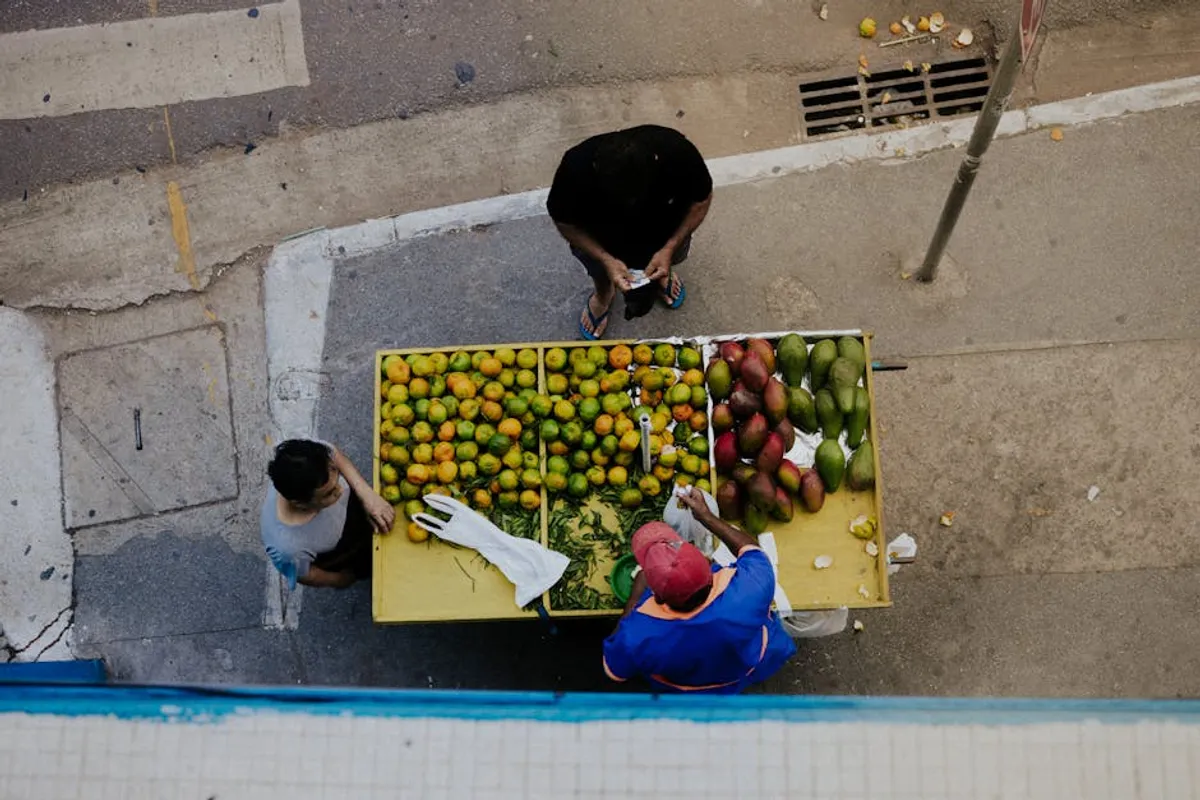
Embarking on a journey through Brazil means engaging with a culinary landscape as vast and varied as its geography. Beyond mere sustenance, Brazilian food offers a direct portal into the country's rich cultural tapestry, blending Indigenous, African, and European influences into unique regional expressions. Understanding these distinctions, knowing which dishes to prioritize, and navigating local dining customs can transform a trip from a simple visit into a deeply immersive and memorable experience. This guide provides the practical details and insights necessary to savor Brazil's authentic flavors, from bustling city markets to traditional countryside eateries.
Understanding Brazil's Regional Culinary Diversity
Brazil's immense size dictates a significant divergence in its food traditions. Each region boasts distinct ingredients, cooking methods, and signature dishes, shaped by climate, history, and migration patterns. Recognizing these regional identities is key to appreciating the full spectrum of Brazilian cuisine.
Northeastern Flavors: Bahia's African Legacy
The Northeast, particularly the state of Bahia, stands out for its strong African culinary heritage. Dishes here are often characterized by the liberal use of palm oil (dendê), coconut milk, and seafood. The flavors are typically rich, aromatic, and often spicy.
- Moqueca Baiana: A fragrant seafood stew cooked in coconut milk, dendê oil, peppers, and onions. It differs from its Capixaba counterpart by the inclusion of coconut and palm oil, imparting a distinct orange hue and flavor.
- Acarajé: A popular street food made from black-eyed pea dough, deep-fried in dendê oil, and typically split open and filled with vatapá (a creamy shrimp paste), caruru (okra stew), and dried shrimp. This is a must-try for its unique texture and bold flavor profile.
- Vatapá: A creamy dish made from bread or flour, coconut milk, ground peanuts, and palm oil, often served with seafood.
Southeastern Staples: Comfort Food and Urban Delights
The Southeast, encompassing major cities like Rio de Janeiro and São Paulo, alongside the agrarian state of Minas Gerais, presents a blend of traditional comfort food and sophisticated urban dining. Minas Gerais is particularly renowned for its dairy products and hearty, rustic dishes.
- Feijoada: Considered Brazil's national dish, this black bean stew with various cuts of pork and beef is a Saturday tradition. It is typically served with rice, collard greens, farofa (toasted cassava flour), and orange slices, balancing the richness of the stew.
- Pão de Queijo: These small, chewy cheese breads, made from tapioca flour, are ubiquitous and perfect as a snack or breakfast item. Their unique texture comes from the tapioca starch.
- Coxinha: A teardrop-shaped fried dough filled with shredded chicken and sometimes cream cheese, a popular snack in bars and bakeries.
Southern Grills: European Influence and Churrasco
The Southern region, with its European immigrant history, is famous for its meat-centric cuisine, especially churrasco (barbecue). The tradition of grilling large cuts of meat over open flames is central to its culinary identity.
- Churrasco: Brazilian barbecue, often served rodízio style, where waiters bring skewers of various meats to your table. Key cuts include picanha (top sirloin cap), fraldinha (flank steak), and costela (ribs). The quality of the meat and the precise grilling technique are paramount.
- Galeto: Small grilled chickens, often marinated and served with polenta, reflecting Italian influence.
Northern Amazonian Specialties: Indigenous Ingredients
The North, home to the Amazon rainforest, features a cuisine heavily reliant on indigenous ingredients like freshwater fish, exotic fruits, and unique root vegetables. These dishes often have a distinct, earthy flavor profile.
- Tacacá: A soup made with tucupi (a yellow broth extracted from wild manioc), jambu (a leafy green that causes a tingling sensation in the mouth), and dried shrimp. It's a sensory experience unique to the Amazon.
- Pato no Tucupi: Duck cooked in tucupi sauce with jambu, a traditional dish often served during festive occasions.
- Açaí na Tigela: Unlike the Westernized version, traditional Amazonian açaí is often served unsweetened, as a savory accompaniment to fish or shrimp, or lightly sweetened with tapioca flour for breakfast.
Essential Beverages and Sweet Treats
No Brazilian food experience is complete without sampling its iconic drinks and desserts.
- Caipirinha: Brazil's national cocktail, made with cachaça (sugarcane liquor), lime, sugar, and ice. Variations include passion fruit or strawberry. Its balance of sweet, sour, and potent alcohol makes it refreshing.
- Guaraná: A popular carbonated soft drink made from the guaraná fruit, known for its unique, slightly fruity flavor and natural caffeine content.
- Brigadeiro: A truffle-like chocolate confection made from condensed milk, cocoa powder, and butter, rolled in chocolate sprinkles. It's a staple at parties and a beloved national dessert.
Pro Tip: Navigating Street Food Safely
While Brazilian street food offers incredible flavors and cultural insights, exercise caution. Look for vendors with high turnover, fresh ingredients, and clean preparation areas. Opt for items cooked to order and piping hot. Avoid cut fruit that looks like it's been sitting out for extended periods to minimize risks.
Finding Authentic Culinary Experiences
To truly taste Brazil, seek out establishments frequented by locals. These often provide the most authentic flavors and best value.
- Comida a Quilo Restaurants: Common throughout Brazil, these buffet-style restaurants charge by weight, offering a wide array of hot and cold dishes. They are excellent for trying many different foods in one sitting and controlling portion sizes.
- Feiras Livres (Open-Air Markets): Beyond fresh produce, these markets often feature food stalls selling fried pastries (pastel), tapioca crepes, and fresh juices. They are vibrant cultural hubs.
- Botecos: Informal bars serving cold beer and a variety of petiscos (appetizers). They are ideal for experiencing local social life and sampling small, traditional bites.
- Churrascarias: For a true Brazilian barbecue experience, visit a churrascaria, especially those offering the rodízio service. Focus on the quality of the meat and the variety of cuts offered.
Maximizing Your Brazilian Culinary Journey
Embracing Brazil's food culture requires an open mind and a willingness to explore beyond familiar tastes. Don't hesitate to ask locals for their recommendations; they often know the best hidden gems. Be adventurous with new ingredients and dishes, but also be mindful of your own dietary needs and preferences. Learning a few basic Portuguese phrases related to food can significantly enhance your dining experience and aid in communicating allergies or dietary restrictions.
Frequently Asked Questions About Brazilian Food
What is the national dish of Brazil?
Feijoada is widely considered Brazil's national dish. It is a hearty black bean stew prepared with various cuts of pork and beef, traditionally served with rice, collard greens, farofa, and orange slices.
Is Brazilian food generally spicy?
While some regional dishes, particularly from the Northeast (like those from Bahia), can be spicy due to ingredients like malagueta peppers, Brazilian cuisine as a whole is not typically known for being very spicy. Most dishes focus on savory, rich, or fresh flavors rather than heat.
What are common breakfast foods in Brazil?
A typical Brazilian breakfast often includes coffee with milk, fresh fruit (like papaya or mango), pão de queijo, various types of bread with butter or cheese, and sometimes tapioca crepes or scrambled eggs.
Are vegetarian options readily available in Brazil?
While meat is prominent, vegetarian options are available, especially in larger cities. Many restaurants offer salads, rice, beans, and vegetable side dishes. "Comida a quilo" buffets often have extensive salad bars. However, dedicated vegetarian or vegan restaurants are less common outside major urban centers, so communication about ingredients is important.