
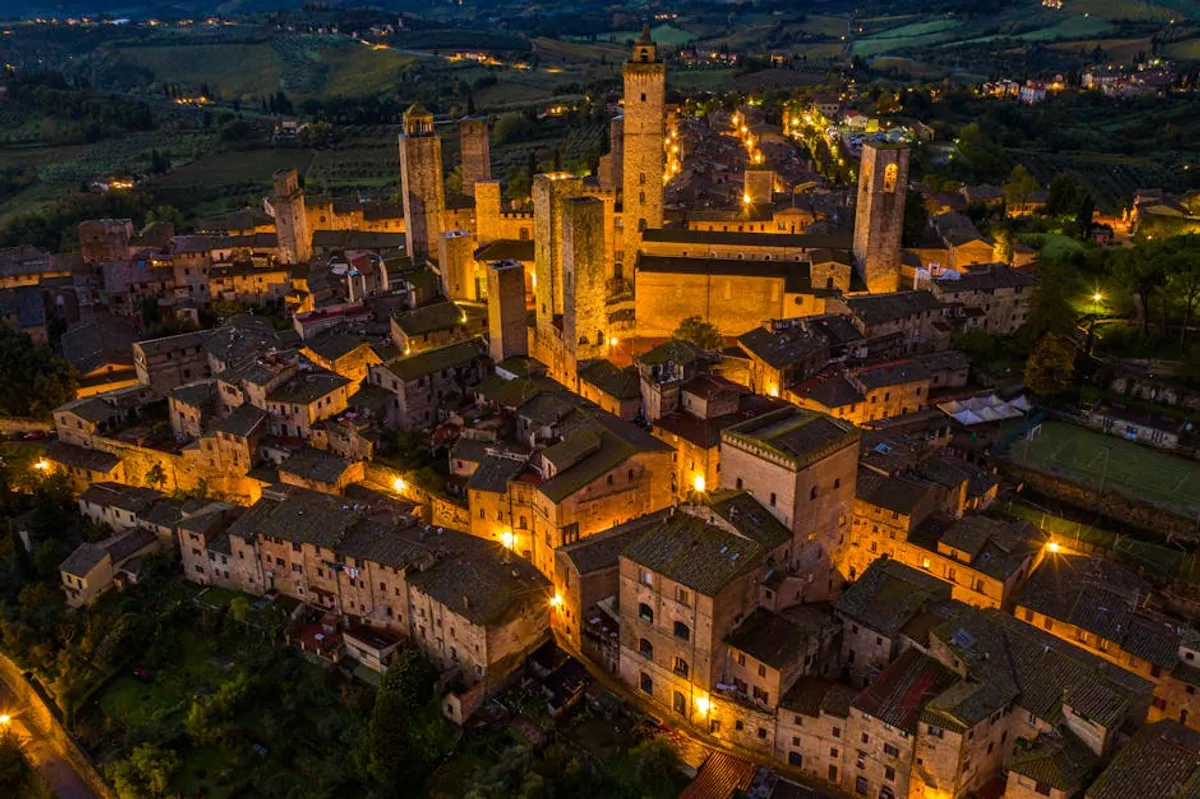
Embarking on a heritage trip to a historic town offers more than just sightseeing; it provides a tangible connection to the past, allowing travelers to walk through centuries of human endeavor, cultural evolution, and pivotal events. Selecting the right destination for such an immersive experience requires careful consideration, moving beyond popular tourist spots to identify places where history is not merely preserved but actively felt and understood. The objective is to find towns that offer deep historical narratives, authentic cultural immersion, and accessible ways to engage with their unique legacy, ensuring a journey that is both enriching and memorable.
What to Look For in a Historic Town Trip
Identifying a truly exceptional historic town for a heritage trip involves evaluating several core elements that contribute to a profound and authentic experience. Prioritize destinations that demonstrate a commitment to preserving their historical integrity while also providing engaging ways for visitors to interact with their past.
- Authenticity of Preservation: Seek towns where historical sites, architecture, and cultural practices are genuinely maintained, not merely reconstructed or commercialized. This includes original structures, traditional crafts, and living cultural traditions that offer a true glimpse into the past.
- Depth of Historical Narrative: The most compelling historic towns present a rich, multi-layered history, often spanning various eras and civilizations. Look for destinations that tell a coherent story through their sites, museums, and local lore, allowing for a comprehensive understanding of their evolution.
- Cultural Immersion Opportunities: Beyond static exhibits, evaluate towns that facilitate direct engagement with local culture. This could involve traditional markets, culinary experiences rooted in heritage, local festivals, or opportunities to interact with artisans and storytellers.
- Accessibility and Infrastructure: A great historic town balances its ancient charm with practical visitor amenities. Consider ease of access to sites, quality of interpretive signage, availability of knowledgeable guides, and suitable accommodation that respects the local character without compromising comfort.
- Unique Local Character: Each historic town should possess a distinctive identity shaped by its specific geography, historical events, and cultural heritage. This uniqueness ensures that each trip feels like a discovery, offering perspectives not found elsewhere.
- Educational Value: Strong educational components, such as well-curated museums, interactive exhibits, and guided tours led by experts, significantly enhance the heritage experience. These resources help contextualize what is seen and deepen understanding.
1. Rome, Italy
Rome stands as an unparalleled testament to millennia of human history, from the grandeur of the Roman Empire to the artistic explosion of the Renaissance and the spiritual heart of the Vatican. Its layers of history are visible at every turn, with ancient ruins coexisting with Baroque churches and bustling modern life. The city offers a profound journey through Western civilization, featuring iconic sites such as the Colosseum, Roman Forum, Pantheon, and St. Peter's Basilica, each telling a distinct part of its epic narrative. The city's commitment to preserving its past, while integrating it into contemporary urban fabric, makes it a living museum.
Best for: Enthusiasts of ancient history, art history, religious pilgrimage, and those seeking a comprehensive European historical journey.
Pros: Extensive and well-preserved ancient sites; world-class museums and art collections; significant religious heritage; excellent public transport connecting major sites; vibrant street life and culinary scene that reflects historical influences.
Cons: Can be extremely crowded, especially during peak season; requires extensive walking; some sites require advance booking months ahead; high cost of living and tourism services.
Verdict: Rome is an essential heritage destination for its sheer volume and significance of historical assets. Its ability to immerse visitors in multiple distinct historical epochs simultaneously is unmatched, though navigating the crowds requires strategic planning.
2. Kyoto, Japan
As Japan's imperial capital for over a thousand years, Kyoto offers an exquisite immersion into traditional Japanese culture and aesthetics. The city is renowned for its thousands of Buddhist temples and Shinto shrines, meticulously maintained traditional gardens, geisha districts, and wooden machiya houses. Unlike many modern Japanese cities, Kyoto largely escaped wartime destruction, preserving much of its historical urban fabric and cultural practices. Its heritage is deeply intertwined with spiritual traditions, artisan crafts, and the refined arts of tea ceremony and ikebana.
Best for: Travelers interested in traditional Japanese culture, Buddhist philosophy, serene garden design, and historical architecture.
Pros: Numerous UNESCO World Heritage sites; exceptional preservation of traditional arts and crafts; tranquil temple gardens; unique culinary traditions; efficient public transport system; opportunities for cultural workshops.
Cons: Can be very crowded at popular sites, particularly during cherry blossom and autumn foliage seasons; language barrier can be challenging outside major tourist areas; some temple entrances require fees that accumulate.
Verdict: Kyoto provides an unparalleled window into imperial Japan, offering a deeply spiritual and aesthetically rich heritage experience. Its blend of natural beauty, ancient traditions, and meticulous preservation creates a uniquely contemplative journey.
3. Edinburgh, Scotland
Edinburgh, with its dramatic castle perched atop an extinct volcano and its medieval Old Town cascading down to the Georgian New Town, presents a captivating narrative of Scottish history. The city's heritage spans from ancient Celtic roots through the turbulent Wars of Independence, the intellectual flourishing of the Scottish Enlightenment, and its role as a literary hub. Its cobblestone streets, hidden closes, and historic pubs tell stories of kings, philosophers, and everyday life, all under the brooding presence of Edinburgh Castle.
Best for: Fans of medieval history, literary heritage, Gothic architecture, and those seeking a blend of urban exploration with dramatic natural backdrops.
Pros: UNESCO World Heritage status for both Old and New Towns; extensive walking tours available; numerous museums and galleries; vibrant cultural scene, especially during the Fringe Festival; strong sense of local identity and history.
Cons: Weather can be unpredictable; steep inclines and cobblestones can be challenging for mobility; high accommodation costs during festival season; popular attractions can be very busy.
Verdict: Edinburgh offers a concentrated and atmospheric historical experience, where centuries of Scottish heritage are palpable in its architecture and streetscapes. Its dual nature of medieval grit and Georgian elegance provides a rich and varied historical exploration.
4. Cusco, Peru
Nestled high in the Andes, Cusco served as the capital of the Inca Empire and later became a significant colonial city under Spanish rule. This dual heritage is strikingly evident in its architecture, where Inca stone foundations support Spanish colonial churches and mansions. The city is a gateway to the Sacred Valley and Machu Picchu, but its own historical significance as the "Navel of the World" for the Inca is immense. Its vibrant Quechua culture, traditional markets, and religious syncretism offer a unique blend of indigenous and European heritage.
Best for: Travelers interested in pre-Columbian civilizations, colonial history, indigenous cultures, and high-altitude exploration.
Pros: Direct access to Inca ruins; unique blend of Inca and Spanish colonial architecture; vibrant indigenous culture; numerous museums and historical sites within the city; relatively affordable once there.
Cons: High altitude can cause discomfort (altitude sickness); requires careful planning for travel to surrounding sites; tourist infrastructure can be overwhelming in central areas; street vendors can be persistent.
Verdict: Cusco is an essential destination for understanding the collision and fusion of two powerful civilizations. Its living heritage, expressed through its people, architecture, and traditions, provides a deeply engaging and unique historical journey.
5. Charleston, USA
Charleston, South Carolina, is a city steeped in American history, particularly known for its well-preserved antebellum architecture, pivotal role in the Civil War, and rich Gullah-Geechee cultural heritage. Its cobblestone streets, pastel-colored houses, and historic plantations tell a complex story of colonial prosperity, slavery, and resilience. The city offers a tangible connection to early American history, emphasizing both the grandeur and the difficult truths of its past through its numerous historic homes, museums, and battlefield sites.
Best for: Those interested in American colonial history, the Antebellum South, Civil War history, and African-American heritage.
Pros: Exceptionally well-preserved historic district; numerous house museums and plantations offering guided tours; strong culinary scene rooted in Southern traditions; walkable city center; beautiful coastal setting.
Cons: Can be very hot and humid in summer; popular attractions can have long lines; some tours focus more on aesthetics than the full historical narrative; traffic can be heavy in surrounding areas.
Verdict: Charleston provides a focused and evocative journey into a crucial period of American history. Its commitment to preserving its architectural and cultural heritage, while confronting its complex past, makes it a compelling destination for historical inquiry.
6. Istanbul, Turkey
Istanbul, the only city spanning two continents, has served as the capital for the Roman, Byzantine, and Ottoman Empires, accumulating an astonishing array of historical monuments. From the Hagia Sophia and Blue Mosque to the Topkapi Palace and Grand Bazaar, the city is a living chronicle of empires. Its strategic location made it a crossroads of cultures, religions, and trade routes, resulting in a unique blend of East and West. The historical peninsula, a UNESCO World Heritage site, is densely packed with structures that narrate its continuous 2,000-year imperial legacy.
Best for: Travelers interested in Byzantine and Ottoman history, Islamic art and architecture, and the intersection of Eastern and Western cultures.
Pros: Unrivaled concentration of imperial historical sites; vibrant cultural fusion; diverse culinary experiences; excellent value for money compared to Western European cities; friendly locals.
Cons: Can be very crowded, especially around major attractions; traffic can be heavy; navigating some areas requires understanding local customs; some sites have strict dress codes.
Verdict: Istanbul offers an epic journey through the heart of three great empires, providing a profound understanding of historical power, religious evolution, and cultural synthesis. Its dynamic atmosphere and deep historical layers make it an unforgettable heritage destination.
7. Varanasi, India
Varanasi, one of the oldest continuously inhabited cities in the world, is the spiritual heart of India. Situated on the banks of the sacred River Ganges, it is a pilgrimage site for Hindus who believe that dying here grants salvation. The city's heritage is deeply spiritual, manifested in its ancient ghats (steps leading to the river), temples, and daily rituals. Observing life along the Ganges, from sunrise prayers to cremation ceremonies, offers an unfiltered glimpse into an ancient spiritual tradition that has remained largely unchanged for millennia.
Best for: Those seeking profound spiritual and cultural immersion, understanding ancient religious practices, and experiencing a vibrant, living heritage.
Pros: Unparalleled spiritual experience; direct observation of ancient religious rituals; unique cultural photography opportunities; vibrant street life; offers a deep dive into Hindu philosophy.
Cons: Can be overwhelming for first-time visitors due to crowds, noise, and intensity; sanitation standards may be lower than expected; requires an open mind and tolerance for different customs; hot and humid for much of the year.
Verdict: Varanasi is not merely a historic town but a living spiritual phenomenon, offering an intensely personal and unfiltered heritage experience. It challenges perceptions and provides a raw, authentic connection to ancient Indian traditions.
8. Cartagena, Colombia
Cartagena's walled city, a UNESCO World Heritage site, is a jewel of Spanish colonial architecture on the Caribbean coast. Founded in 1533, it was a crucial port for the Spanish Empire, making it a frequent target for pirates and privateers, leading to the construction of its formidable fortifications. Its colorful streets, plazas, and balconies are steeped in history, romance, and the vibrant culture of the Caribbean. The city's heritage also includes a significant African influence, evident in its music, cuisine, and local traditions, reflecting its role in the transatlantic slave trade.
Best for: Travelers interested in Spanish colonial history, Caribbean culture, fortifications, and romantic historical settings.
Pros: Beautifully preserved colonial architecture; impressive fortifications; vibrant nightlife and culinary scene; warm climate; rich Afro-Caribbean cultural heritage; walkable historic center.
Cons: Can be very hot and humid; popular with tourists, leading to crowds and higher prices; street vendors can be persistent; some areas outside the walled city can be less safe.
Verdict: Cartagena offers a captivating blend of colonial grandeur, Caribbean vibrancy, and a complex history. Its well-preserved walls and colorful streets provide a picturesque yet historically significant heritage trip, especially for those seeking a tropical historical experience.
9. Luang Prabang, Laos
Luang Prabang, nestled at the confluence of the Mekong and Nam Khan rivers, is a UNESCO World Heritage town renowned for its remarkably preserved architecture, blending traditional Laotian wooden houses with French colonial buildings. It was the ancient capital of the Lan Xang kingdom and remains a significant center for Theravada Buddhism, evident in its numerous gilded temples and the daily alms-giving ceremony involving hundreds of monks. The town's serene atmosphere and cultural authenticity offer a gentle immersion into Southeast Asian heritage.
Best for: Those seeking a tranquil cultural experience, Buddhist heritage, French colonial history, and riverine landscapes.
Pros: Exceptionally well-preserved townscape; serene and spiritual atmosphere; unique blend of Lao and French architectural styles; numerous temples and cultural sites; friendly locals; opportunities for ethical elephant sanctuaries and Mekong River cruises.
Cons: Can be very hot, especially in the dry season; limited nightlife for those seeking vibrant entertainment; some popular sites can be crowded during peak tourist times; accessibility to some areas may be challenging.
Verdict: Luang Prabang provides a peaceful and profoundly spiritual heritage experience. Its unique architectural harmony and enduring Buddhist traditions make it a distinctive destination for cultural exploration in Southeast Asia.
10. Prague, Czech Republic
Prague, the "City of a Hundred Spires," boasts a rich history spanning over a millennium, from its origins as a Bohemian kingdom to its periods under Habsburg rule and its role in the 20th-century Cold War. Its architectural heritage is incredibly diverse, featuring Romanesque rotundas, Gothic cathedrals, Baroque palaces, Art Nouveau facades, and Cubist buildings. The Charles Bridge, Old Town Square, Prague Castle, and the Jewish Quarter are central to its historical narrative, showcasing periods of both artistic flourishing and political turmoil.
Best for: Enthusiasts of medieval, Gothic, Baroque, and Art Nouveau architecture, Jewish heritage, and Central European history.
Pros: Stunning and diverse architectural heritage; highly walkable historic center; rich cultural scene with classical music and theater; relatively affordable compared to Western European capitals; excellent public transport.
Cons: Extremely popular and can be very crowded, especially in summer; tourist traps are common in central areas; pickpocketing can be an issue; some historical sites require significant climbing.
Verdict: Prague offers a fairytale-like yet historically robust journey through Central European history and architectural evolution. Its ability to showcase multiple distinct historical periods within a compact, beautiful city makes it a top-tier heritage destination.
11. Athens, Greece
Athens is the birthplace of democracy and Western philosophy, a city whose ancient ruins stand as monumental symbols of human intellect and artistic achievement. The Acropolis, with the Parthenon, dominates the skyline, representing the zenith of Classical Greek civilization. Beyond its ancient past, Athens also offers insights into Byzantine, Ottoman, and modern Greek history, though its primary draw remains its unparalleled classical heritage. The city's numerous museums house artifacts that bring the ancient world to life, providing a foundational understanding of Western culture.
Best for: Students of ancient history, classical archaeology, philosophy, and the origins of Western civilization.
Pros: Unrivaled collection of ancient Greek ruins; world-class archaeological museums; accessible historical sites within the city center; vibrant modern city life alongside ancient heritage; good public transportation.
Cons: Can be extremely hot during summer months; air pollution can be noticeable; some areas outside the main tourist zones are less appealing; requires a good amount of walking and climbing for ancient sites.
Verdict: Athens is an indispensable heritage destination for anyone seeking to understand the roots of Western thought and culture. Its ancient sites offer a direct, powerful connection to a foundational period of human history.
12. Hoi An, Vietnam
Hoi An Ancient Town, a UNESCO World Heritage site, is an exceptionally well-preserved Southeast Asian trading port dating from the 15th to the 19th century. Its architecture reflects a fusion of indigenous and foreign influences, including Chinese, Japanese, and European elements, particularly French colonial. The town is famous for its tailor shops, lanterns, and traditional wooden houses, creating a charming and atmospheric historical experience. Its heritage is tied to its mercantile past, offering insights into regional trade and cultural exchange.
Best for: Travelers interested in historical trading ports, unique architectural blends, traditional crafts, and a relaxed cultural immersion.
Pros: Beautifully preserved and atmospheric ancient town; unique architectural fusion; renowned for custom tailoring and artisan crafts; vibrant night market with traditional lanterns; excellent local cuisine; largely pedestrian-friendly.
Cons: Can be very crowded, especially in the evenings; some areas are highly commercialized; hot and humid weather for much of the year; can feel overly tourist-focused at times.
Verdict: Hoi An offers a delightful and accessible heritage experience, showcasing a unique blend of cultures from its trading port past. Its charm and preservation make it a strong choice for those seeking a more gentle yet historically rich exploration.
Choosing the Right Historic Town for Your Trip
The optimal historic town for your heritage trip depends entirely on your specific interests, available time, and travel style. Begin by identifying the historical periods or cultural themes that most intrigue you—whether it's ancient empires, medieval life, colonial narratives, or specific artistic movements. Research towns known for excelling in those areas, evaluating their preservation efforts, the depth of their interpretive resources, and opportunities for genuine cultural engagement. Consider the practicalities: how accessible are the sites, what is the best time of year to visit to avoid extreme weather or peak crowds, and what is the overall cost of travel and accommodation? A truly rewarding heritage trip balances historical depth with a comfortable and immersive experience, allowing you to connect meaningfully with the past.
Frequently Asked Questions
What defines a "historic town" for heritage travel?
A historic town for heritage travel is characterized by its significant preservation of historical architecture, cultural traditions, and artifacts that collectively tell a compelling story of its past. It often features sites recognized for their historical importance, offers educational resources, and allows visitors to experience a tangible connection to different eras.
How can I find authentic local experiences in a historic town?
To find authentic local experiences, venture beyond the main tourist arteries. Explore local markets, attend community events or festivals, seek out smaller, independent museums, and engage with local artisans or shopkeepers. Dining at establishments favored by residents, taking cooking classes focused on traditional cuisine, or participating in local workshops can also provide genuine cultural immersion.
Are guided tours necessary for heritage trips?
While not always strictly necessary, guided tours, especially those led by knowledgeable local experts or historians, can significantly enhance a heritage trip. Guides offer context, insights, and stories that might not be apparent from signage alone, deepening your understanding of a site's significance. For complex historical narratives or extensive sites, a good guide can transform the experience from sightseeing into true learning.
What's the best way to prepare for a heritage trip?
Preparation is key to maximizing a heritage trip. Research the history of your chosen destination beforehand to familiarize yourself with key events, figures, and cultural nuances. Learn a few basic phrases in the local language, understand local customs and etiquette, and check weather conditions for appropriate packing. Planning your itinerary to balance major sites with time for spontaneous exploration and relaxation will also contribute to a more enjoyable experience.
How do I balance historical exploration with relaxation?
Balancing historical exploration with relaxation involves strategic planning and flexibility. Avoid over-scheduling your days; allow for downtime, leisurely meals, and moments to simply observe local life. Incorporate activities that are historically relevant but also relaxing, such as a scenic river cruise through a historic area, enjoying a traditional coffee in an ancient square, or visiting a historic garden. Prioritizing