Preparing for a local getaway, even a short one, often presents a unique packing challenge: how to bring everything needed without overpacking, especially when the destination is close to home and the temptation to bring "just in case" items is high. The objective isn't merely to fill a bag, but to curate a functional, lightweight collection of essentials that supports your planned activities and ensures comfort, all while minimizing unnecessary bulk. This approach prevents wasted time during transit and provides a more streamlined experience upon arrival, allowing for immediate enjoyment of the trip rather than logistical struggles.
Core Packing Principles for Short Trips
An effective packing strategy for any local escape begins with a clear understanding of your trip's parameters and a disciplined approach to item selection. This foundational thinking ensures every item serves a purpose, contributing to a lighter load and a more organized bag.
Assess Your Destination and Activities
Before selecting a single item, define the precise nature of your getaway. Consider the climate, potential weather fluctuations, and the specific activities planned. A weekend hiking trip requires different gear than a city exploration or a beach retreat. Researching local amenities, such as whether your accommodation provides toiletries or laundry facilities, can significantly reduce what you need to carry. For example, knowing there's a hairdryer available eliminates the need to pack one, freeing up valuable space.
Consider:
- Climate & Weather: Check forecasts for the entire duration, including evenings.
- Planned Activities: Hiking, dining out, swimming, museum visits, relaxing. Each dictates specific clothing and gear.
- Accommodation Amenities: Toiletries, towels, hair dryers, irons, laundry access.
Prioritize Multi-Use Items
The cornerstone of efficient packing is selecting items that serve multiple functions. A scarf can act as a fashion accessory, a blanket on a cool evening, or a head covering. A versatile pair of shoes might transition from daytime sightseeing to a casual dinner. Similarly, neutral-colored clothing allows for easier mixing and matching, creating more outfit combinations from fewer pieces. This approach minimizes the total item count without sacrificing utility or style.
Example: A lightweight, quick-drying jacket suitable for both rain protection and a chilly evening layer.
The 3-Day Clothing Capsule
For a typical weekend (2-3 nights), a capsule wardrobe approach is highly effective. Focus on essential items that can be interchanged to create multiple outfits. This usually involves:
- 1-2 bottoms (e.g., jeans, versatile trousers, shorts)
- 2-3 tops (e.g., t-shirts, a long-sleeve shirt)
- 1 outer layer (e.g., light jacket, cardigan)
- Undergarments for each day plus one extra
- 1-2 pairs of socks
- 1 pair of comfortable walking shoes (worn on travel day)
- 1 additional pair of shoes for specific activities or evenings
- Sleepwear
This framework provides flexibility without excess, ensuring you have appropriate attire for various situations while maintaining a compact luggage profile.
Essential Categories and Specifics
Beyond clothing, several other categories require careful consideration to ensure a comfortable and prepared local getaway.
Personal Care and Toiletries
Shift from full-sized products to travel-sized versions or refillable containers. This is particularly critical for liquids to comply with potential travel restrictions, even for local air travel, and to prevent leaks. Focus on essentials: toothbrush, toothpaste, deodorant, basic skincare, and any necessary medications. Consider solid alternatives for shampoo, conditioner, and soap to eliminate liquid volume entirely.
Key items:
- Toothbrush & toothpaste (travel size)
- Deodorant
- Miniature shampoo/conditioner or solid bars
- Basic face wash & moisturizer
- Any prescription medications (in original containers)
- Small comb/brush
Tech and Entertainment
Limit electronic devices to those genuinely necessary. A smartphone often suffices for navigation, communication, and basic entertainment. If a laptop or tablet is essential, ensure all chargers and necessary adapters are included. Pack a portable power bank for extended use away from outlets. For entertainment, consider downloaded books, podcasts, or movies to avoid relying on unreliable internet access.
Consider:
- Smartphone & charger
- Portable power bank
- Headphones
- E-reader or tablet (if needed for specific purposes)
Health and Safety First
A small, personalized first-aid kit is non-negotiable, even for local trips. Include pain relievers, adhesive bandages, antiseptic wipes, any personal allergy medications, and blister treatment. Hand sanitizer is also crucial. For outdoor activities, insect repellent and sunscreen are vital additions. These items address minor issues quickly, preventing small inconveniences from escalating.
Must-haves:
- Small first-aid kit (bandages, antiseptic, pain relievers)
- Any personal prescription meds
- Hand sanitizer
- Sunscreen & insect repellent (if applicable)
Documents and Financials
While local, always carry essential identification, such as a driver's license or state ID. Keep a credit/debit card and some cash in a secure, easily accessible location. Digital copies of reservations or tickets on your phone provide a convenient backup. For vehicle travel, ensure your insurance and registration documents are current and accessible.
Pro Tip: Before packing, lay out every item you intend to bring. Then, review each item and challenge its necessity. If an item doesn't serve at least two purposes or isn't absolutely essential for a planned activity, consider leaving it behind. This "edit-before-you-pack" method significantly reduces overpacking.
Smart Packing Techniques
Once you've curated your items, how you arrange them in your bag is just as important as what you bring. Strategic packing maximizes space and keeps contents organized.
Rolling vs. Folding: Maximizing Space
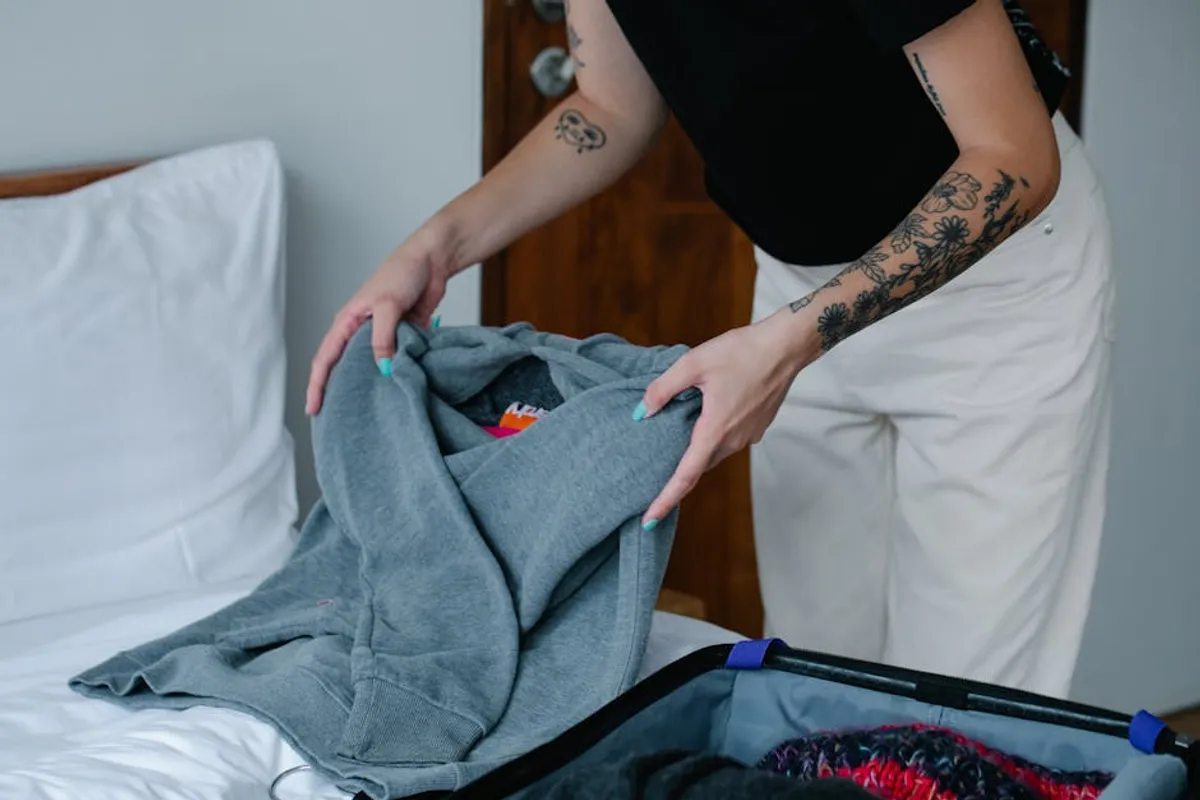
The debate between rolling and folding often depends on fabric type and personal preference. Rolling clothes tightly can save space and reduce wrinkles for many fabrics, particularly t-shirts, jeans, and casual wear. Folding is often better for more structured items like blazers or dress shirts, which benefit from careful layering to maintain their shape. A combination approach often yields the best results: roll softer items, fold stiffer ones.
Utilizing Packing Cubes
Packing cubes are compartmentalization tools that compress clothing and separate categories within your luggage. They are particularly effective for organizing outfits, separating dirty laundry, or keeping specific items (e.g., swimwear, undergarments) contained. This prevents items from shifting during transit and makes finding specific pieces much faster upon arrival, eliminating the need to unpack everything.
The "Wear Your Heaviest" Rule
To minimize weight and bulk in your bag, wear your heaviest items of clothing and shoes during travel. This includes bulky jackets, boots, or heavy sweaters. This strategy immediately reduces the internal volume required in your luggage, making it easier to manage and carry.
Final Checks for a Seamless Departure
Before walking out the door, a quick final review ensures nothing crucial is forgotten and your home is secured.
Double-check your bag against your finalized packing list. Confirm all essential documents and medications are in your carry-on or easily accessible. Ensure all electronics are charged. Unplug unnecessary appliances at home, secure windows and doors, and inform a trusted contact of your travel plans. These small steps contribute to a stress-free departure and a more enjoyable trip.
Frequently Asked Questions
How far in advance should I start packing for a weekend trip?
Begin planning your outfits and making a list a few days before your trip. Actual packing can be done the day before, or even the morning of, once your list is finalized and you've gathered all items.
What's the best type of bag for a local getaway?
For a local getaway, a small carry-on suitcase, a duffel bag, or a spacious backpack is often ideal. Choose a bag that's easy to carry and fits within any potential vehicle or public transport size restrictions, prioritizing mobility and convenience.
Should I pack snacks for a local trip?
Yes, packing a few non-perishable snacks is advisable, especially if you have dietary restrictions or anticipate long stretches between meals. This can save money and prevent hunger-related discomfort during travel or activities.
What if I forget something important?
For local getaways, forgetting an item is less critical than for international travel, as you are typically close to stores where replacements can be purchased. For truly essential items like prescription medication, a quick call to your doctor or pharmacy might arrange a local refill.