Preparing for travel extends beyond booking flights and accommodation; it fundamentally involves safeguarding your well-being and assets. A comprehensive travel safety checklist serves as a critical pre-departure and on-the-go reference, mitigating potential risks from minor inconveniences to significant emergencies. This proactive approach ensures travelers are equipped with necessary information, secured documentation, and a clear understanding of personal security protocols, transforming potential anxieties into confident navigation of unfamiliar environments. The objective is not to instill fear, but to empower travelers with practical strategies that foster peace of mind throughout their journey.
Pre-Departure Planning: Essential Research and Documentation
Effective travel safety begins long before departure. Thorough preparation minimizes vulnerabilities and streamlines responses to unexpected situations. This phase focuses on understanding your destination and securing vital personal information.
Destination-Specific Intelligence
Researching your destination's specific context is non-negotiable. This includes local laws, which can differ significantly from your home country, and cultural norms to avoid unintentional offense. Investigate common scams targeting tourists; knowledge of these tactics is your primary defense. Identify reputable medical facilities and pharmacies in your planned itinerary, noting their locations and contact details. Check government travel advisories for current security concerns, political instability, or health warnings.
Securing and Duplicating Critical Documents
Your passport, visa, and any required travel permits are irreplaceable. Make both digital and physical copies of all essential documents. Store digital copies securely in a cloud service or encrypted drive, accessible only to you. Keep physical copies separate from originals, perhaps in a different bag or with a trusted travel companion. Document a list of emergency contact numbers, including your embassy or consulate, credit card companies, and insurance provider. Ensure you have comprehensive travel insurance that covers medical emergencies, trip cancellations, and lost luggage; understand its coverage limits and claims process before you leave.
Financial Security Measures
Inform your bank and credit card companies of your travel dates and destinations to prevent fraud alerts from blocking legitimate transactions. Carry a mix of payment methods: a primary credit card, a backup card, and a small amount of local currency. Avoid carrying excessive cash. Consider using a travel-specific debit card or a prepaid travel card to limit exposure of your main bank account. Understand the local currency and typical pricing for common goods and services to avoid being overcharged.
On the Go: Personal Security and Awareness
Once at your destination, maintaining situational awareness and adhering to practical security measures becomes paramount. This involves conscious choices about your environment and interactions.
Accommodation Safety Protocols
When selecting accommodation, prioritize properties with positive security reviews. Upon arrival, familiarize yourself with emergency exits, fire escape routes, and the location of fire extinguishers. Always use the provided safe for valuables, including passports, extra cash, and electronics. Utilize door locks, deadbolts, and security chains. Avoid leaving valuables visible in your room. If staying in an apartment rental, verify the host's identity and read reviews specifically mentioning security.
Safe Transportation Practices
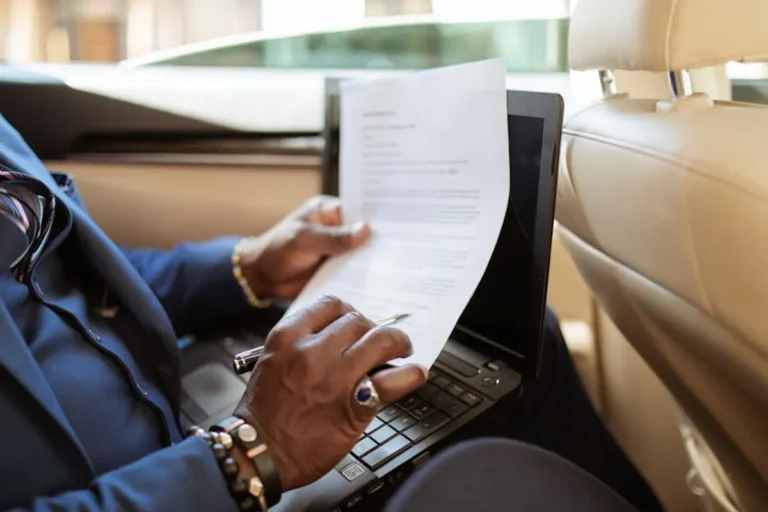
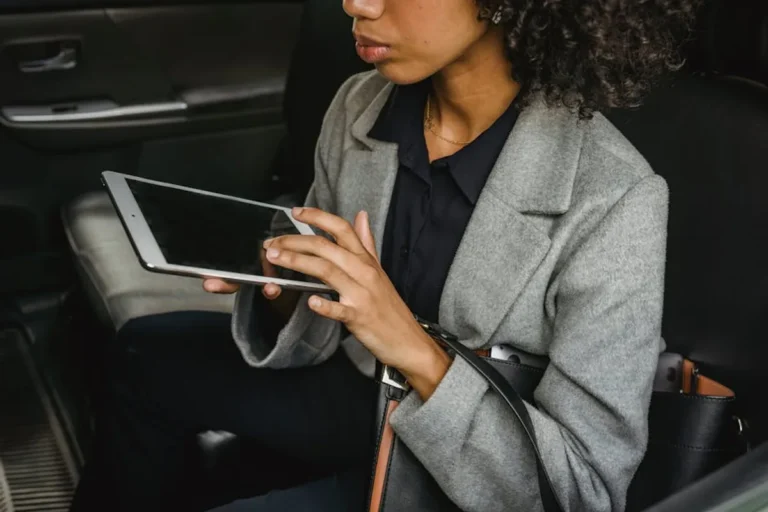
Opt for officially licensed taxis or reputable ride-sharing services. Verify the driver's identity and vehicle details before entering. Always wear a seatbelt. If using public transport, be aware of your surroundings, especially during peak hours or in crowded areas where pickpocketing is more common. Avoid isolated or unlit areas, particularly at night. When renting a car, ensure it is in good working order and that you understand local driving laws and road conditions.
Protecting Personal Belongings
Use anti-theft bags with slash-resistant materials and locking zippers. Distribute valuables across different bags or pockets to minimize loss if one item is stolen. Avoid ostentatious displays of expensive jewelry, electronics, or large sums of cash. Keep your phone secure and out of easy reach. When dining, keep bags on your lap or secured to your chair, not on the floor or an adjacent seat.
Digital Security Considerations
Before traveling, back up all critical data from your phone, laptop, and other devices. Use strong, unique passwords and enable two-factor authentication for all accounts. Be cautious about using public Wi-Fi networks, which can be insecure; consider a virtual private network (VPN) for sensitive transactions. Disable automatic connections to Wi-Fi and Bluetooth. Keep devices updated with the latest security patches.
Emergency Preparedness: What to Do When Things Go Wrong
Despite best efforts, unforeseen events can occur. Having a plan for emergencies can significantly reduce stress and facilitate a quicker resolution.
Establishing Emergency Contacts and Communication
Create a concise list of emergency contacts, both local (e.g., police, medical services) and back home (family, friends). Share your itinerary and contact information with a trusted person who is not traveling with you. Establish a regular check-in schedule with them. Consider purchasing a local SIM card or an international roaming plan to ensure continuous communication access.
Essential Medical Kit and Prescriptions
Carry a basic first-aid kit with bandages, antiseptic wipes, pain relievers, and any personal medications. If you have prescription medications, carry them in their original packaging with a copy of your prescription and a doctor's note, especially for controlled substances. Research local regulations regarding specific medications, as some may be restricted in certain countries.
Pro Tip: Before your trip, download offline maps of your destination. This ensures navigation capabilities even without an internet connection, which is invaluable if you lose service or need to conserve data in an unfamiliar area. Mark key locations like your accommodation, embassy, and emergency services on these maps.
Building Your Personalized Safety Checklist
A generic checklist is a starting point; a truly effective one is tailored to your specific travel plans. Consider your destination, activities, and personal risk tolerance when customizing your safety measures.
- Confirm passport validity (at least 6 months beyond return date).
- Obtain necessary visas and entry permits.
- Purchase comprehensive travel insurance.
- Notify banks/credit card companies of travel plans.
- Make digital and physical copies of all important documents.
- Research local laws, customs, and common scams.
- Identify emergency contacts (local police, embassy, family).
- Pack a basic first-aid kit and all prescription medications.
- Download offline maps and translation apps.
- Inform a trusted person of your itinerary and check-in schedule.
- Secure valuable items in a hotel safe or anti-theft bag.
- Understand local transportation options and safety.
- Enable two-factor authentication for online accounts.
- Back up digital data before departure.
Sustaining Vigilance: Post-Trip Review and Future Planning
Upon returning from your trip, take a few moments to review your safety measures. Reflect on what worked well and what could be improved. Did your checklist cover all eventualities? Were there any unforeseen challenges? This reflective practice refines your approach for future journeys, building a stronger foundation of preparedness and confidence for every subsequent adventure. Update your digital records, dispose of sensitive paper copies securely, and consider any lessons learned as valuable experience for safer travels ahead.
Frequently Asked Questions
What is the most crucial item on a travel safety checklist?
While all items contribute to overall safety, comprehensive travel insurance is arguably the most crucial. It provides financial protection and access to emergency services for unforeseen medical issues, trip interruptions, or lost belongings, which can be devastating without coverage.
How often should I update my travel safety checklist?
Your travel safety checklist should be reviewed and updated before each trip. Specific destinations, the nature of your activities, and global events can all influence the relevance and necessity of certain safety precautions, requiring a fresh assessment.
Is it safer to carry cash or use credit cards abroad?
A balanced approach is best. Relying solely on cash increases the risk of significant loss if stolen, while exclusive use of credit cards can leave you stranded if a card is declined or lost. Carrying a small amount of local currency for immediate needs and using credit/debit cards for larger purchases, with backup options, is generally the safest strategy.
Should I share my travel itinerary with anyone?
Yes, always share your detailed travel itinerary, including flight numbers, accommodation details, and planned activities, with at least one trusted person who is not traveling with you. This allows someone to monitor your well-being and act if they don't hear from you as expected.